
How Pumpkin Patches Support Local Communities
Credit: Photo by InboundREM
When the days become shorter and the first signs of autumn arrive, pumpkin patches become some of the most popular places to visit.
Families come for pumpkins, hayrides, corn mazes, and seasonal treats, while tourists often add local farms to their fall itineraries. But there is more to these colorful autumn destinations than a fun day outdoors.
Local pumpkin patches can play an important role in the communities around them. They support agricultural businesses, create seasonal employment, provide opportunities for children to learn about farming, and give residents and visitors a place to gather. Choosing a local farm for your next fall outing can also help keep more seasonal spending connected to the community.
Here is a closer look at how pumpkin patches support local communities and why visiting one can be a meaningful part of the fall season.
Understanding How Pumpkin Patches Support Local Communities
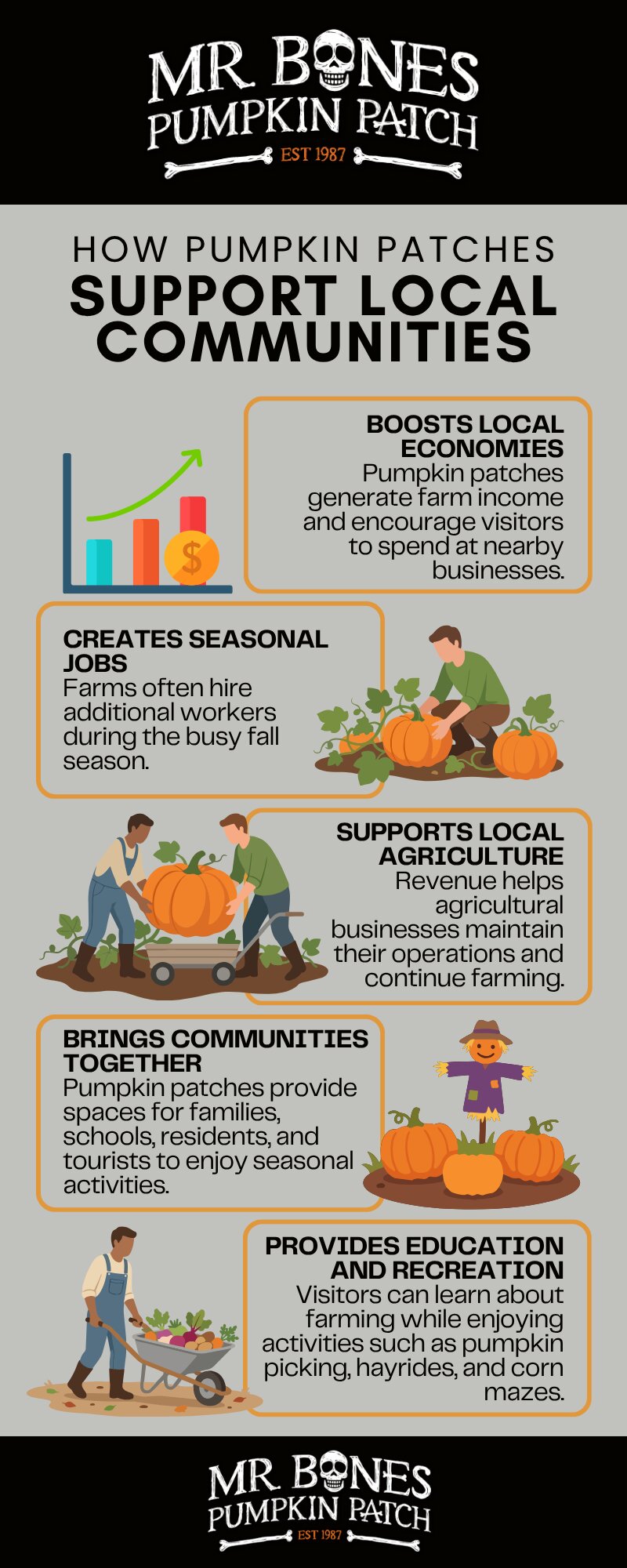
Pumpkin patches support local communities by creating seasonal jobs, generating farm income, encouraging local spending, and providing educational and recreational opportunities. They also bring families, residents, schools, and tourists together, making local farms an important part of the community’s agricultural and tourism economy.
Photo by Stephen Andrews on Pexels | Source
Analyzing the Community Impact of Pumpkin Patches
Economic Stimulation and Job Creation
The community impact of pumpkin patches can be especially noticeable during the busy fall season.
Large or established farms may need additional workers to operate ticket booths, concessions, parking areas, farm stands, hayrides, attractions, and customer-service stations.
Seasonal positions can provide employment opportunities for local residents, students, and other workers.
Pumpkin patches can also bring customers to nearby businesses. Visitors may stop at local restaurants for lunch, purchase coffee on the way to the farm, fill up their vehicles, or visit nearby shops after their pumpkin-patch adventure.
This creates a broader economic ripple effect. The USDA has found that agritourism can help farms diversify their income while providing potential benefits to surrounding rural communities.
Keeping Dollars Local
Choosing a local pumpkin patch gives residents and tourists an opportunity to spend money directly with an agricultural business.
A farm may earn revenue from pumpkins, admission fees, food, farm products, entertainment, and other seasonal offerings. Some of that income can then be used for farm labor, equipment, supplies, maintenance, and other business expenses.
Local spending does not mean every dollar stays within the community. Farms purchase supplies and services from outside businesses as well. However, shopping directly with a local agricultural business creates a direct connection between customers and the people operating the farm.
Direct-to-consumer agriculture is already a significant part of the U.S. farm economy. In 2022, more than 116,000 farms reported direct sales to consumers totaling approximately $3.3 billion.
Photo by Jill Wellington on Pexels | Source
The Power of Supporting Local Farms
Preserving Agricultural Green Spaces
Supporting local farms can help maintain working agricultural properties and keep farming visible within communities.
Visiting a pumpkin patch does not automatically preserve farmland. Decisions about whether agricultural land remains in use depend on factors such as land ownership, development pressure, zoning, conservation programs, and the financial viability of the farm.
However, a successful farm business has more opportunities to continue operating as an agricultural enterprise. Agritourism can provide an additional source of revenue alongside crop production and other farm activities.
For residents, these working farms can also provide something increasingly valuable: open space where people can experience fields, crops, animals, and rural landscapes close to home.
Photo by Jill Wellington on Pexels | Source
Sustainable Community Agriculture
Fall can be an especially busy time for farms that grow pumpkins and operate seasonal attractions. Revenue from the autumn season can complement income from crop sales and other agricultural activities.
According to USDA data, farms participating in agritourism and recreational services earned an average of $44,004 from those activities in 2022. This is an average among participating farms, not a typical pumpkin-patch income figure, and individual farms can have very different results.
Additional income can help farm operators cover expenses, maintain equipment, hire workers, and invest in their operations. It can also make it possible for farms to continue offering agricultural experiences to the public.
Organizing Local Pumpkin Patch Events
Educational Field Trips
Local pumpkin patch events can make learning about agriculture much more engaging for children.
Instead of only reading about crops in a classroom, children can see pumpkins growing in a field, learn how crops are harvested, and discover how farmers prepare and maintain their land.
Many farms offer interactive learning opportunities, such as:
- Guided farm and crop tours
- Pumpkin harvesting demonstrations
- Interactive animal encounters
- Hands-on gardening lessons
- Seasonal workshops on environmental stewardship
For families visiting on weekends, the educational experience can be just as valuable as the entertainment.
Charitable Contributions and Support
Some farms also use their seasonal events to support local charitable organizations.
Depending on the farm, this may include hosting food drives, donating agricultural products, partnering with nonprofit organizations, or contributing a portion of event proceeds to a community cause.
Anyone looking for pumpkin patch help opportunities should check with individual farms and local nonprofit organizations for current programs. Offerings vary from one location to another, and not every pumpkin patch participates in charitable activities.
Even when a farm does not have a formal donation program, visiting locally owned agricultural businesses can still contribute to the economic activity that helps those businesses operate throughout the year.
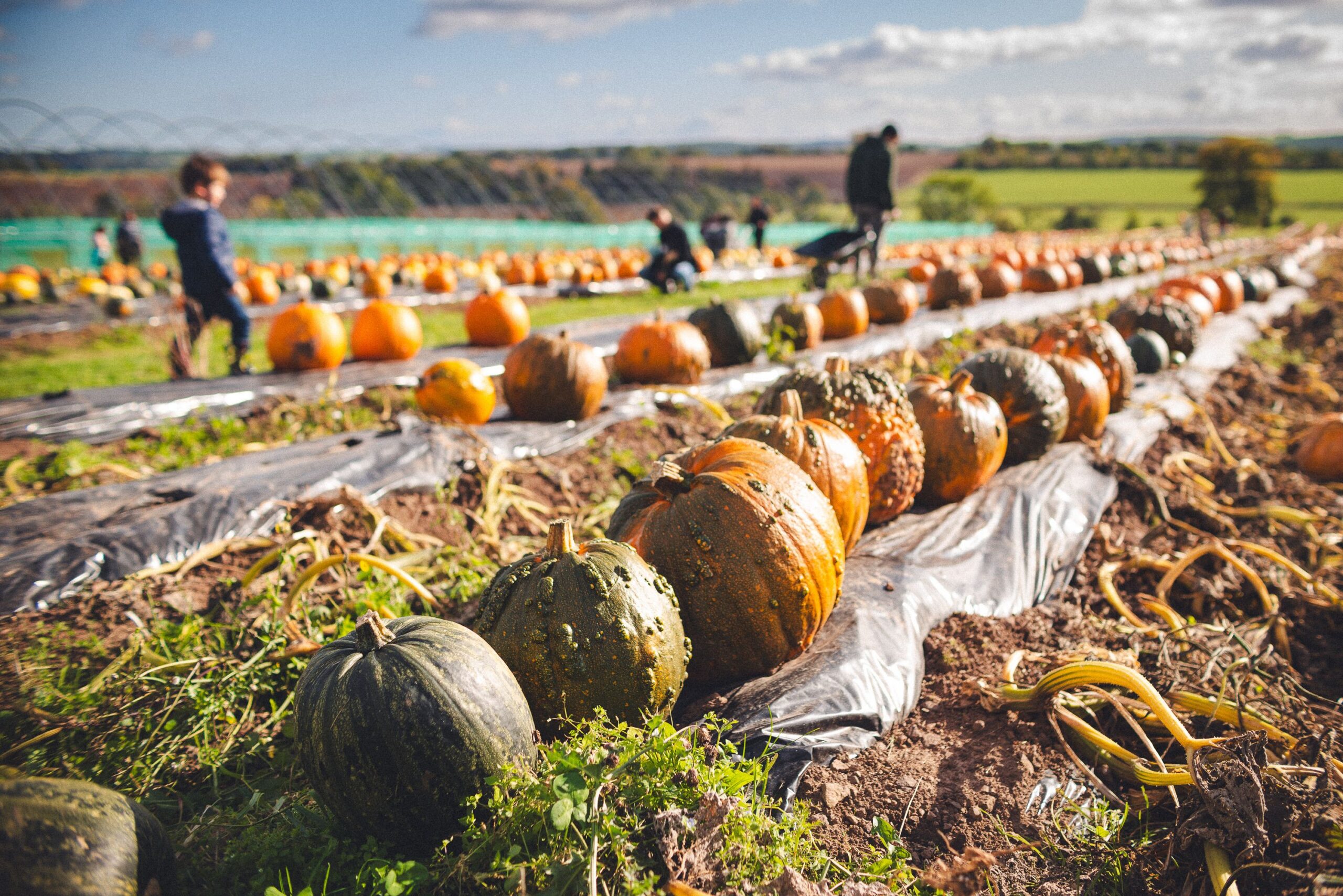
Photo by Jilly Noble on Pexels | Source
Enjoying Fall Community Activities Together
Fostering Neighborhood Connections
Pumpkin patches provide a setting for some of the season’s most enjoyable fall community activities.
Families can explore corn mazes, take hayrides, choose pumpkins, visit farm animals, enjoy seasonal food, or simply spend time outdoors. Community festivals and farm events can also give neighbors a chance to meet people they might not otherwise encounter.
For tourists, these activities offer something beyond typical sightseeing. A visit to a local farm can provide a more personal look at the area’s agricultural traditions and seasonal culture.
For residents, it can be an easy way to enjoy a familiar local tradition without traveling far from home.
A Safe Space for Family Bonding
One of the biggest attractions of a pumpkin patch is the opportunity to spend time outdoors together.
Families can put away their phones for a while, walk through the fields, choose pumpkins, and enjoy activities at their own pace. Grandparents, parents, and children can all participate, making pumpkin patches suitable for multi-generational outings.
Safety still depends on the individual farm. Visitors should follow posted instructions, supervise young children, stay away from farm equipment, and take care around animals, uneven ground, water, and crowded attractions.
Community Impact Comparison Table
Not every pumpkin patch offers the same services or community programs, and large retail stores can also employ local workers and contribute to local tax revenue. The table below highlights some of the differences families and visitors may encounter when choosing a farm-based experience.
| Impact Category | Authentic Local Pumpkin Patch | Commercial Retail Chain Store |
|---|---|---|
| Economic Benefit | Purchases directly support a local agricultural business and its seasonal operations | Purchases move through a larger retail and distribution network |
| Job Creation | May create seasonal jobs related to farm activities and attractions | Primarily relies on established retail and distribution positions |
| Community Engagement | May offer local pumpkin patch events, school visits, and community gatherings | Primarily centered around shopping |
| Environmental Impact | Keeps an agricultural property in active use when the farm remains viable | Retail sales do not directly provide agricultural use at the retail location |
| Entertainment Value | Offers pumpkins alongside fall community activities, educational experiences, and outdoor recreation | Primarily provides a shopping experience |
Celebrate the Harvest and Your Hometown
A visit to a pumpkin patch can be one of the simplest ways to enjoy the fall season while connecting with your local community.
For families, it is an opportunity to spend time together outdoors. For residents, it can mean discovering a nearby farm or participating in a seasonal tradition. For tourists, it can provide an authentic experience that connects a trip with the area’s agricultural character.
Understanding how pumpkin patches support local communities also makes it easier to appreciate what happens behind the scenes. Farmers and seasonal workers are providing more than pumpkins. They are creating places for people to gather, learn, explore, and celebrate the season.
Whether you are supporting local farms, attending local pumpkin patch events, or enjoying fall community activities with friends and family, your visit can be part of the larger agricultural and community economy.
Before you go, check the farm’s hours, admission requirements, available activities, accessibility information, and any special events. Some popular attractions may require reservations or sell out during particularly busy weekends.
Planning a fall outing or looking for more ways to enjoy your local community? For information about nearby seasonal attractions, local events, or the area’s neighborhoods and amenities, call 310.276.9827 or email info@mrbones.com.
Whether you’re a longtime resident, planning a family day out, or visiting the area for the first time, local knowledge can help you make the most of the season.
Frequently Asked Questions
❓How exactly do pumpkin patches support local communities financially?
✅Pumpkin patches can generate income through pumpkin sales, admission fees, food, farm products, and seasonal attractions. They may also create seasonal employment and bring additional visitors to nearby businesses.
❓What is the most significant community impact of pumpkin patches?
✅There is no single impact that applies to every farm. Common benefits include agricultural income, seasonal employment, educational opportunities, outdoor recreation, and community gathering spaces.
❓Why is supporting local farms important during the fall season?
✅Fall can be an important period for farms that grow pumpkins and operate seasonal attractions. Purchasing directly from a local farm provides revenue to that agricultural business and allows visitors to connect more directly with local food production.
❓What kinds of local pumpkin patch events are best for schoolchildren?
✅Farm tours, pumpkin harvesting demonstrations, crop lessons, animal encounters, gardening activities, and guided agricultural programs can all provide educational value. The best option depends on the children’s ages and the programs offered by the farm.
❓How do farms provide pumpkin patch help to local charities?
✅Some farms support local charities through food drives, product donations, fundraising partnerships, or contributions from seasonal events. Programs vary, so visitors should contact individual farms or local nonprofits to learn about current opportunities.
❓Are fall community activities at farms safe for young toddlers?
✅Many farms welcome young children, but parents should always follow the farm’s safety rules and supervise toddlers closely. Special attention may be necessary around animals, farm equipment, uneven terrain, crowds, and outdoor attractions.
❓Does buying a pumpkin at a farm really help preserve agricultural land?
✅A pumpkin purchase cannot guarantee that farmland will remain undeveloped. However, revenue from agricultural products and agritourism can contribute to the financial viability of a working farm. Long-term land preservation depends on many additional factors, including land-use regulations, ownership decisions, conservation programs, and local development pressures.