
How Mr. Bones Promotes Urban Biodiversity in Los Angeles
For nearly four decades, Mr. Bones Pumpkin Patch has quietly become one of Los Angeles’ most unexpected ambassadors for nature.
What began as a seasonal pumpkin destination has evolved into something far more meaningful: a place where city families reconnect with soil, animals, and agriculture—without ever leaving the Westside.
Set in Culver City, Mr. Bones transforms an otherwise utilitarian urban lot into a living, breathing farm environment each fall. Straw replaces asphalt. Corn stalks replace concrete.
Livestock replaces traffic noise. In a city where green space is scarce, this temporary transformation matters. At its core, the patch isn’t just about pumpkins—it’s about perspective.
By sourcing diverse crops, working with responsible farms, and offering hands-on animal experiences, Mr. Bones gives Angelenos a rare chance to understand how biodiversity fits into everyday urban life.
Few seasonal attractions in the region do more to bridge city living with agriculture than Mr. Bones Pumpkin Patch Los Angeles, home of the beloved urban farm experience Culver City families return to year after year.

Photo by Michala Li on Unsplash | Source
How Does Mr. Bones Support Urban Biodiversity
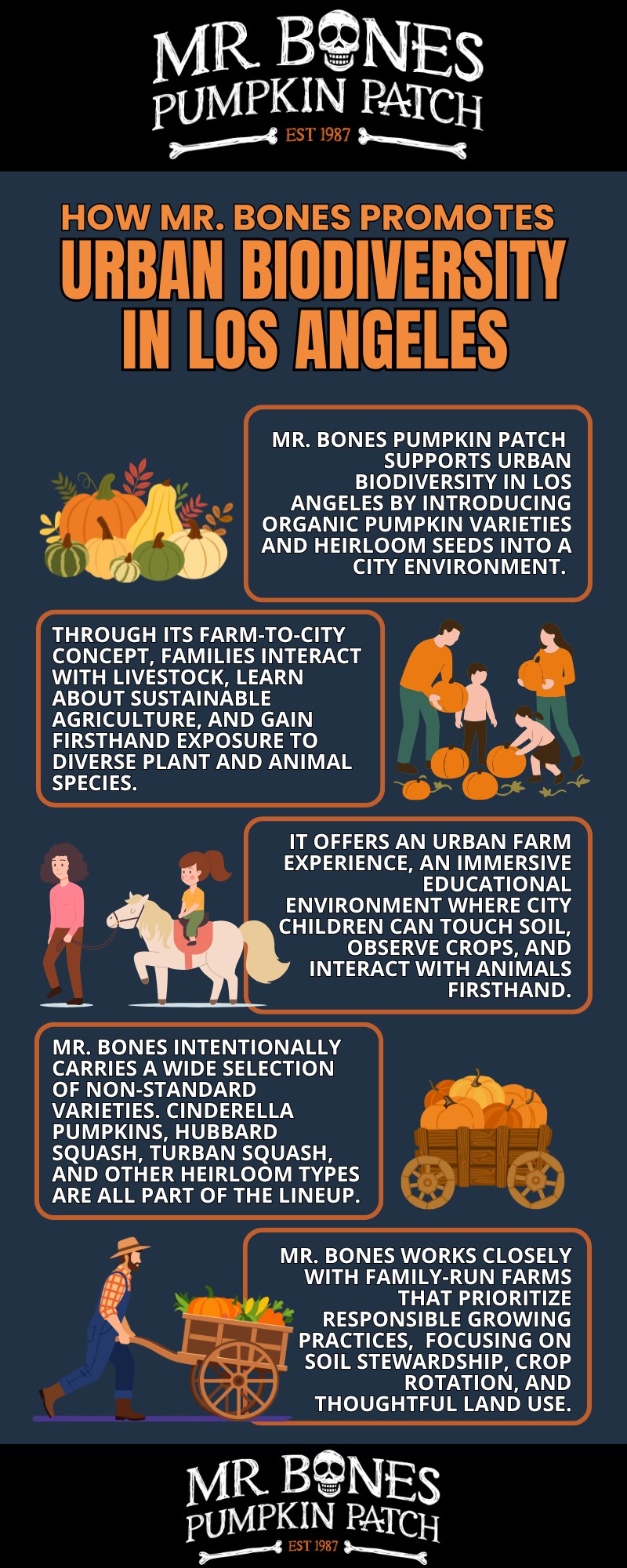
Mr. Bones supports urban biodiversity by introducing organic pumpkin varieties and heirloom seeds into a city environment.
Through its farm-to-city concept, the patch creates a temporary ecosystem where families interact with livestock, learn about sustainable agriculture, and gain firsthand exposure to diverse plant and animal species rarely seen in urban Los Angeles.
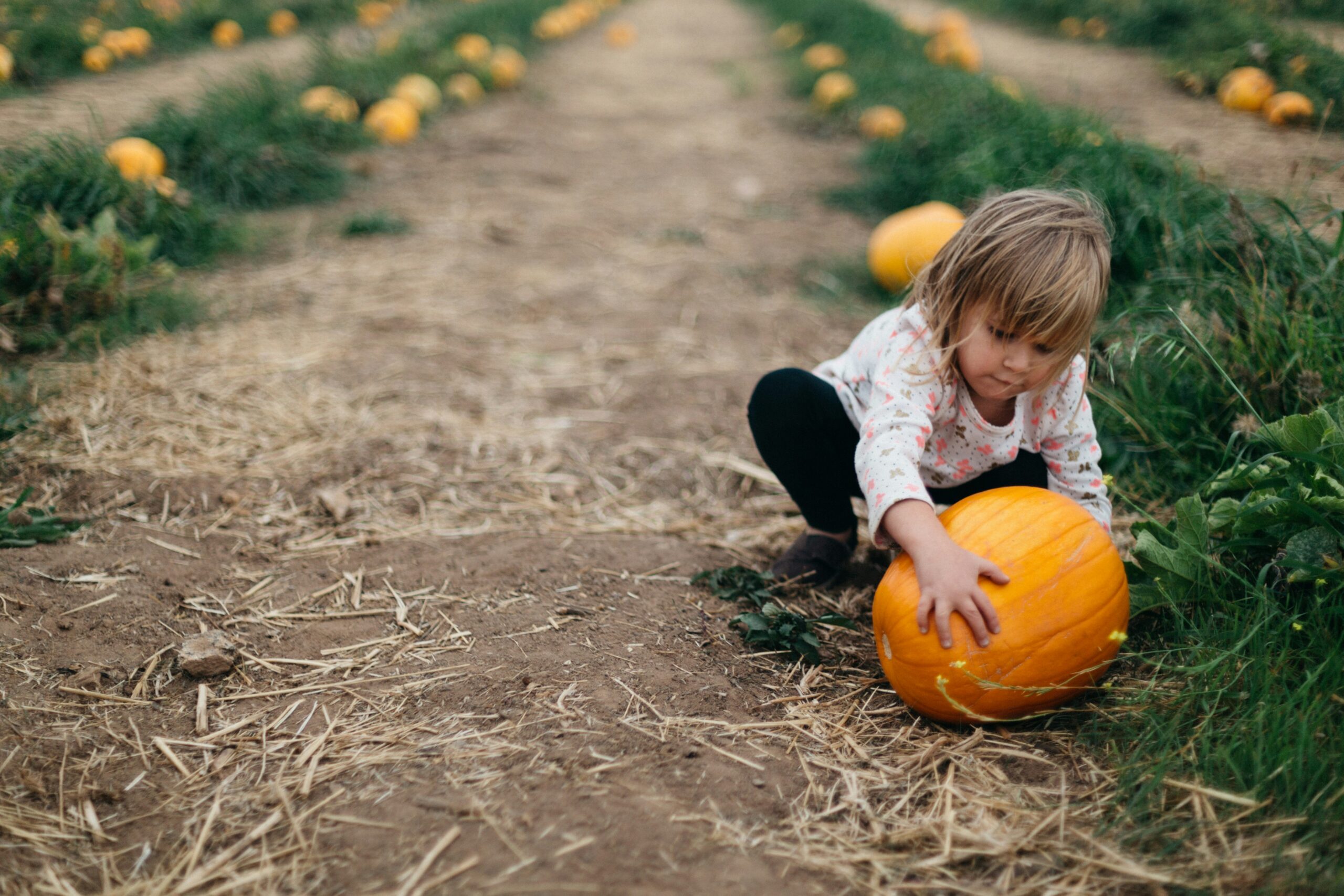
Photo by Patrick Fore on Unsplash | Source
The Urban Farm Experience, Culver City Explained
Connecting Kids to Soil
An urban farm experience is an immersive educational environment where city children can touch soil, observe crops, and interact with animals firsthand, allowing them to see, smell, and feel agricultural life without leaving Los Angeles.
At Mr. Bones, kids don’t just point at pumpkins—they pick them up, feel their weight, notice the differences in texture and shape, and ask questions. For many families, this is a child’s first real exposure to where food actually comes from.
Green Space Preservation
Beyond education, the patch functions as a temporary “green lung” for the neighborhood. Instead of plastic inflatables or synthetic decor, Mr. Bones relies heavily on natural materials—straw bales, corn stalks, gourds, and hay—to shape the environment.
This approach reduces plastic waste and creates a softer, more organic landscape that benefits both visitors and the local urban ecosystem, even if only for a season.
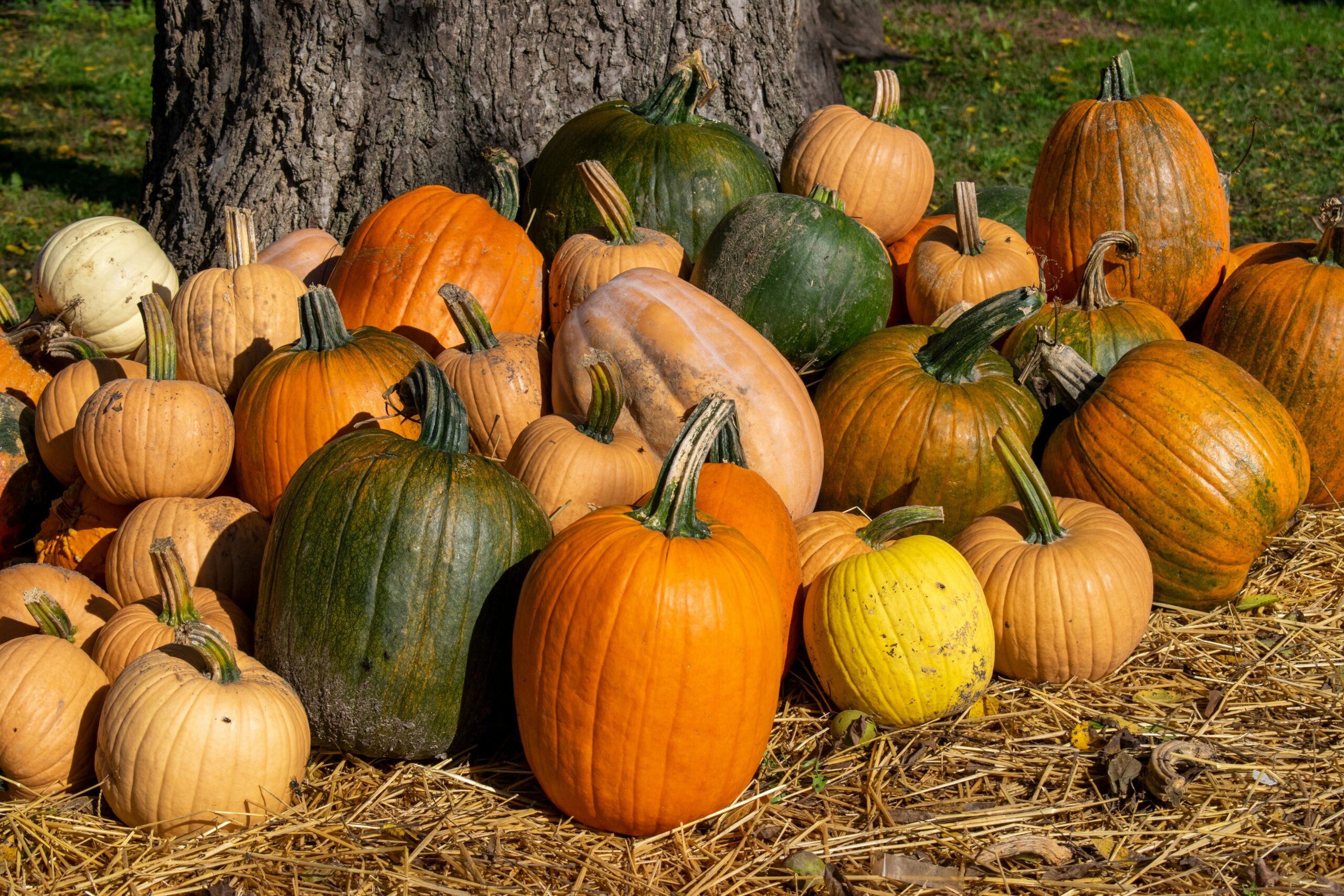
Photo by Kelsey Todd on Unsplash | Source
Sustainable Pumpkin Sourcing and Varieties
Heirloom Over Commercial
Unlike standard retail pumpkin lots that stock only uniform orange pumpkins, Mr. Bones intentionally carries a wide selection of non-standard varieties. Cinderella pumpkins, Hubbard squash, turban squash, and other heirloom types are all part of the lineup.
Why does that matter? Heirloom pumpkins support genetic diversity. When farmers grow a wider range of crops instead of monocultures, soil health improves, pest resistance increases, and agricultural resilience strengthens over time.
Farm Partners
Mr. Bones works closely with family-run farms, primarily in California and Oregon, that prioritize responsible growing practices. These farms focus on soil stewardship, crop rotation, and thoughtful land use—key pillars of sustainable pumpkin sourcing.
By choosing these partners, the patch supports growers who invest in long-term land health rather than short-term yields.
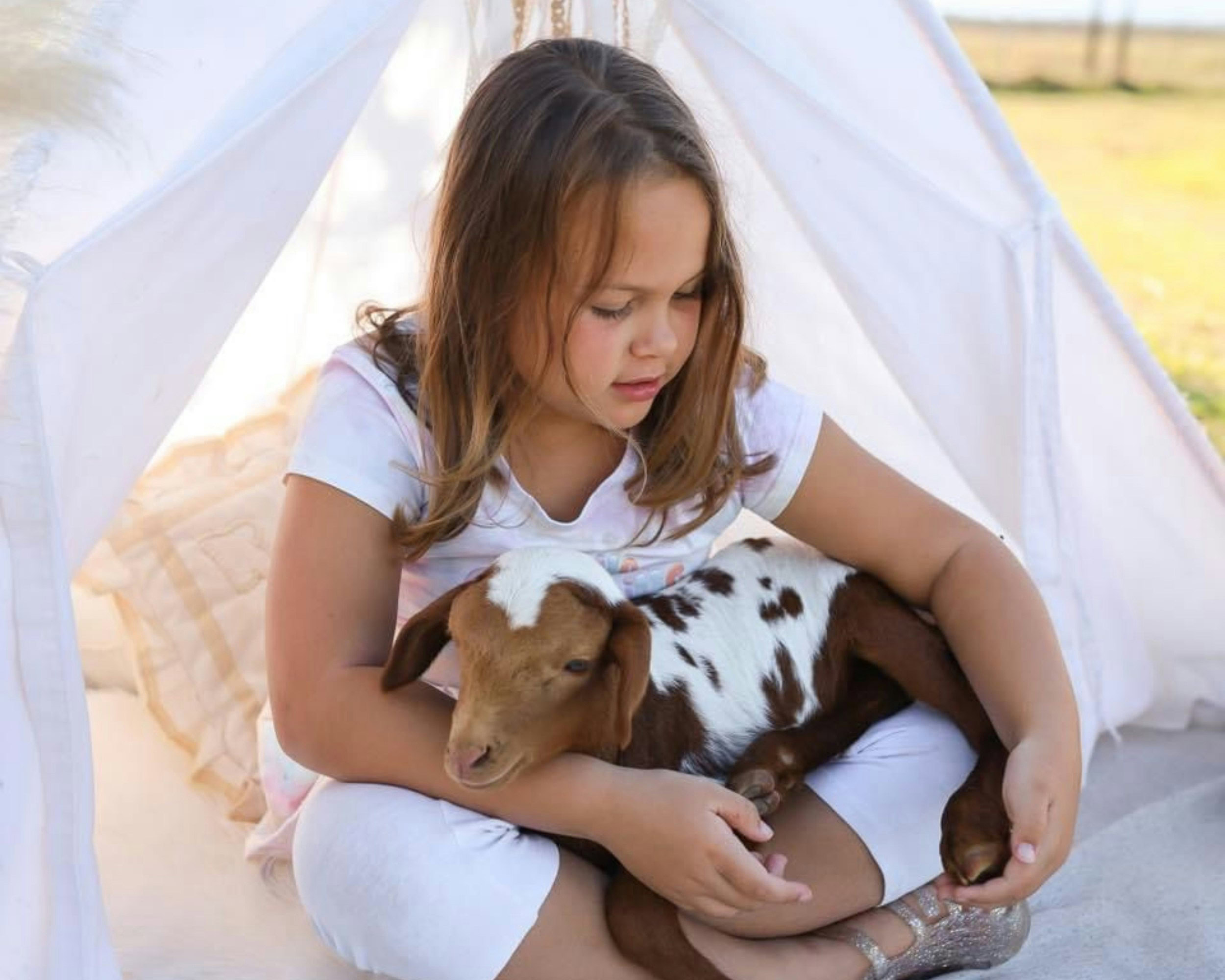
Photo by T C on Unsplash | Source
Interactive Nature Education Through Animals
More Than a Petting Zoo
The animal area at Mr. Bones is designed with intention. Rather than functioning as simple entertainment, it serves as an informal biology lesson. Children meet goats, sheep, ducks, and other livestock while learning how these animals fit into a balanced farm ecosystem.
Parents often notice how quickly curiosity replaces distraction—kids ask what the animals eat, how they help farms operate, and why gentle handling matters.
Respect for Wildlife
One of the most lasting impacts of a visit to Mr. Bones is how it shapes a child’s understanding of animals.
Through guided, hands-on interaction, kids learn empathy by approaching goats, sheep, and other livestock calmly and respectfully, recognizing that animals respond to gentle care.
They also begin to understand food origins, seeing firsthand how livestock plays an essential role in farming systems rather than existing only in books or screens.
Most importantly, children come away with a deeper respect for living creatures, learning that animals are caretaken beings with needs and boundaries—not toys for entertainment.
These lessons tend to stay with families long after the pumpkins are carved and the season ends.
Biodiversity Impact Comparison Table
| Feature | Standard Parking Lot Patch | Mr. Bones Pumpkin Patch |
|---|---|---|
| Produce Variety | Standard Orange Only (Monoculture) | 15+ Varieties (Heirloom / Organic) |
| Animal Interaction | None | Regulated Petting Zoo (Goats / Sheep) |
| Materials Used | Plastic / Inflatables | Natural Straw / Corn Stalks |
| Educational Value | Low (Commercial) | High (Interactive Nature Education) |
The contrast highlights how intentional design choices can dramatically increase educational and ecological value—even in temporary spaces.
Frequently Asked Questions
Does Mr. Bones Pumpkin Patch sell organic pumpkins?
– Yes. Mr. Bones offers a selection of organic pumpkin varieties alongside heirloom and specialty pumpkins.
Where does Mr. Bones source their pumpkins from?
– Pumpkins are sourced from trusted family farms, primarily in California and Oregon, that emphasize soil health and responsible growing practices.
Is the petting zoo suitable for toddlers?
– Yes. The animal area is supervised and designed to be safe and appropriate for young children, including toddlers, with parental guidance.
What is the farm-to-city concept at Mr. Bones?
– It’s the idea of bringing authentic agricultural elements—crops, animals, and farm materials—directly into an urban setting so city families can experience farm life without traveling outside Los Angeles.
Are there educational programs for schools at the patch?
– Yes. Mr. Bones offers organized visits and learning opportunities for schools and groups, focusing on agriculture, animals, and seasonal farming.
How does purchasing heirloom pumpkins support biodiversity?
– Buying heirloom pumpkins supports farmers who grow diverse crops, preserving genetic variety and reducing reliance on monoculture farming systems.
Can we feed the animals at the Mr. Bones petting zoo?
– Feeding is typically regulated to ensure animal health, with staff providing guidance on appropriate interactions.
Key Takeaway: Cultivating Curiosity
Visiting Mr. Bones Pumpkin Patch in Los Angeles is more than a seasonal tradition—it’s an investment in environmental awareness.
By introducing families to organic pumpkin varieties, live animals, and hands-on learning, the patch quietly cultivates curiosity and respect for nature.
In a city defined by density, Mr. Bones proves that even temporary spaces can nurture lasting values.
The farm-to-city concept doesn’t just entertain—it educates, connects, and reminds us that healthy urban culture depends on understanding where our food, animals, and landscapes truly come from.
If you’d like to plan a visit, arrange a school outing, or learn more about what Mr. Bones offers each season, you can reach the team directly at 310.276.9827 or email info@mrbones.com.